Noble Anchor
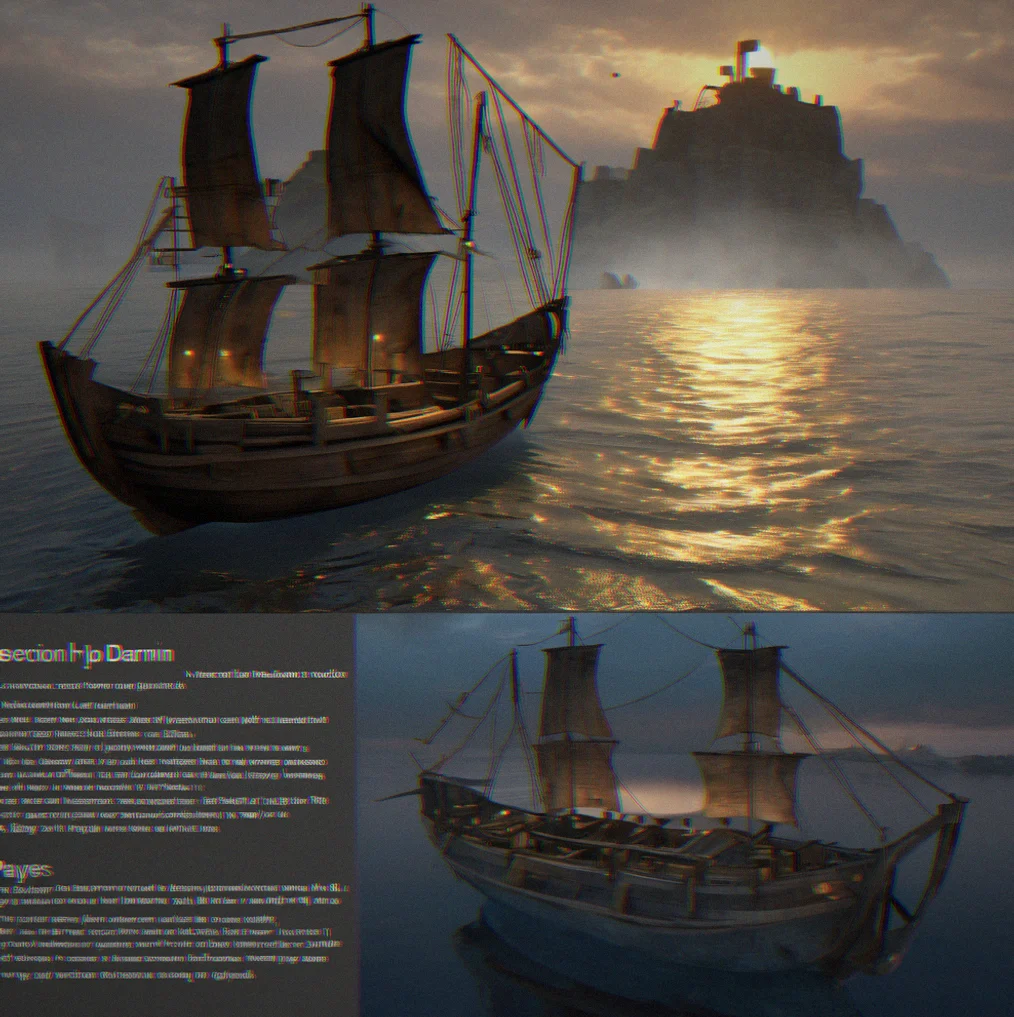
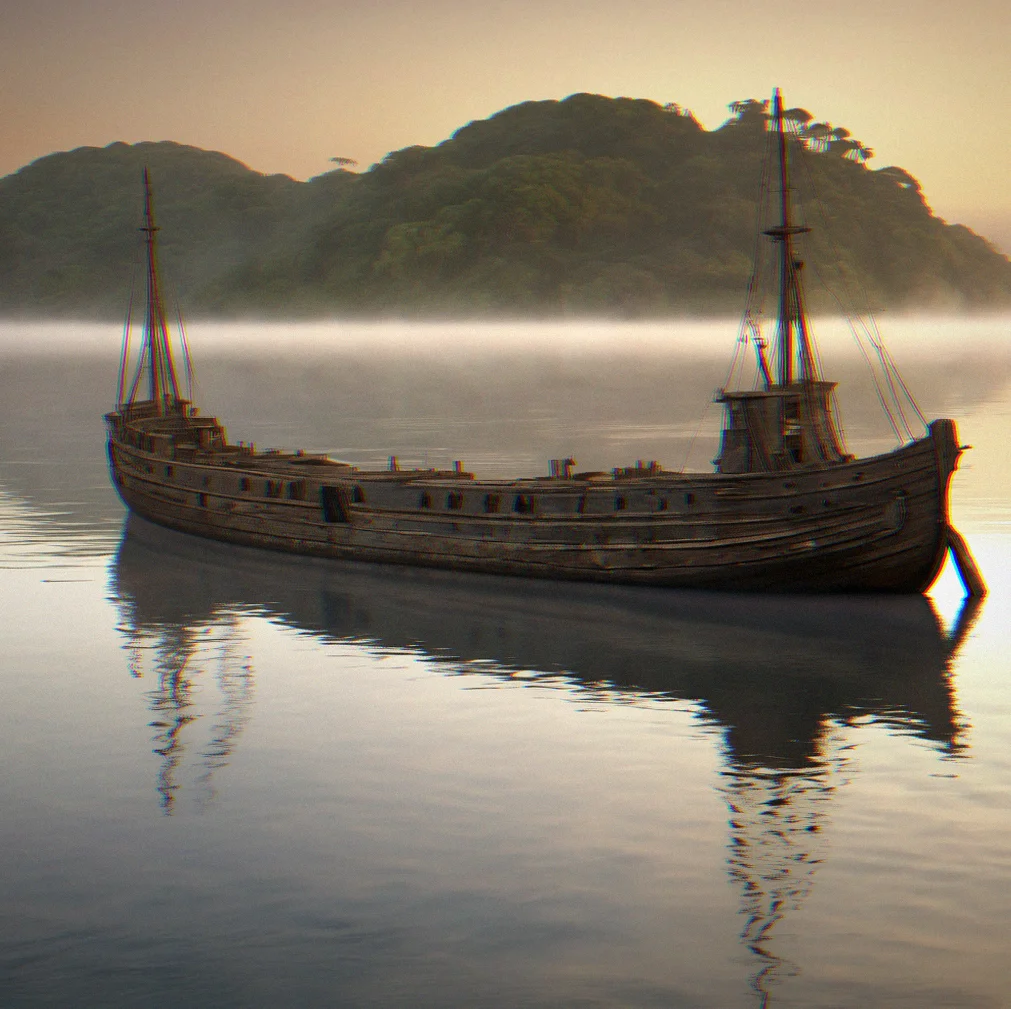
A ship's bow moving through still water toward islands covered in morning fog
Find what's out there

Explore islands that know who you are

You survive by learning. You fail by guessing wrong.

Nobleanchor puts you in a 47-region world where what you find actually matters. Your crew gets hungry. Ships break down. And there are islands nobody's mapped yet, waiting for someone reckless enough to reach them. No markers pointing you everywhere. No game teaching you how to play. Just the map, your calls, and whatever happens sticks around.

Get it

What Nobleanchor Actually Is

Six core systems you'll be dealing with for the next couple hundred hours.

The Archipelago Sticks Around

There are 47 regions, all hand-made. Find a sunken temple, stumble on a merchant post or chart a wreck field—and it's there forever with your crew's name on it. Everyone else playing sees what you've found. You can't take that discovery back.

A detailed topographic map of scattered islands with depth contours and marked discovery points

Crew Gets Hungry. Ships Fall Apart.

Feed your crew every week or they starve. The salt corrodes your hull. Ropes snap. Wood rots away. This isn't just some bar filling up and emptying—these constraints force you to actually choose. Do you push into unknown waters with minimal food, or stick to the safe runs and farm resources? That tension is real.

Ship's log displaying supply tracker: food stocks, hull integrity at 62%, rope condition and repair materials

Ship Upgrades Need Grinding

A tougher hull, better canvas, sonar equipment, nicer navigation gear. Each upgrade demands you grind for resources or hunt rare loot in wrecks. You're not finishing your ship in a weekend. Some legendary crew takes weeks of expeditions just to recruit.

Shipyard interface showing modular ship components: canvas, reinforced hull, cannon systems, and upgrade trees

Leaderboards Don't Have Real Combat

You're competing with other crews but not fighting them in real time. You're racing through the same world on staggered timelines. Get to something first and claim the bonus. Every month the boards reset and storms shuffle where resources show up. Being flexible about your approach beats rigid strategies.

Ranked crew leaderboard showing top 10 crews by discoveries, seasonal scores, and location claim counts

Clues Are Everywhere If You Listen

Pay attention to what you hear. Whale sounds cluster above trenches. Birds calling mean land is nearby. Keep crew members alive long enough and they'll drop hints about where to go. Torn-up maps from wrecks can be pieced together to reveal new spots. Nothing just falls into your lap by wandering around.

Player perspective from ship's deck: sonar wave visualization, audio waveform indicator, and environmental cues

Specialists Open Up New Routes

A dive master gets you into underwater caverns. A navigator pins locations more accurately. A quartermaster cuts how fast you burn through supplies. Each one costs money to keep around, but they fundamentally change what you're capable of doing. Different crew combinations mean you play differently.

Character roster showing five specialist crew members with individual stats, upkeep costs, and ability icons

What You're Actually Getting

Six reasons people with 200+ hours still play.

01

Permanent Discoveries

Find something, claim it, keep it. Your crew's name stays on that location forever—even if someone else sails through later. There are over a hundred hand-crafted sites waiting, and once you mark one, it's locked into the world record.

02

Resource Pressure That Matters

Your crew gets hungry. Your ship deteriorates. These aren't just flavor text. Push too far without supplies and you're scuttled, losing crew and gear. Every route decision actually tenses up.

03

Crew You Have To Manage

Specialists unlock gameplay areas. Dive masters access deep caverns, navigators improve accuracy, quartermasters cut supply burn. They eat though. They cost wages. They demand specific missions. Get the crew comp wrong and you'll notice immediately.

04

Asynchronous Multiplayer Racing

No real-time PvP servers slowing things down. You race other crews in the same world, offset in time. Leaderboards reset monthly. Someone else found your location? Tough. Find the next one faster.

05

Hidden Content With Actual Logic

Whale songs mean deep trenches. Seabirds cluster near shallows. NPC gossip hints at locations if you keep them alive through enough expeditions. Torn map fragments piece together into coordinates. Secrets feel earned, not random.

06

Ship Progression You'll Feel

Upgraded sails move faster. Reinforced hulls take less damage. Better navigation tools reveal undiscovered areas—or at least more reliably than your basic sextant, showing you locations you'd otherwise sail straight past. Legendary modules take weeks to unlock.
47 Regions. 180+ Locations. One Map You'll Nevre Finish.

Nobleanchor launched with a hand-crafted archipelago spread across 47 different regions. Each one regenerates its own resources on its own schedule—some monthly, some seasonal. Once you find a location, your crew's name gets locked to it. That's permanent. The leaderboards reset every month, so there's always pressure to hunt down the next undiscovered spot. Here's the thing though: you won't see everything in 100 hours. The legendary crew members—they unlock exclusive mission types or hand you rare perks—those take weeks of grinding specific expeditions to get. The reinforced ballast hull cuts damage significantly? Plan on six weeks of resource farming for that or use those resources for something else and sail with a slower, more fragile ship. Every choice blocks another one. The map keeps growing because you keep choosing what matters and what doesn't.

Key Facts

  • Hand-crafted regions47
  • Discoverable locations180+
  • Crew specialist types8
  • Ship upgrade modules24
  • Leaderboard reset cycle30 days

The world keeps moving. Other crews are out there sailing the same waters, finding the same islands, fighting for the same leaderboard spots. Either you adapt faster or you don't.

7
Core Mechanic

Survival Is a Ticking Clock

Ship's manifest screen showing food stores depleting week by week, hull integrity dropping from damage, and repair material inventory
Warning notification from quartermaster: crew rations will expire in 3 days, with options to return to port or continue expedition

Your crew needs food every week. Not a slow drain—a hard deadline. Blow past it and they starve, lose XP, lose morale. Your ship's getting worse the whole time too. Salt eats at the hull, rope frays, wood rots. Months at sea without maintenance and you're barely floating. This forces you to actually plan your routes instead of wandering. Want to push into unknown waters for nine days on seven days of rations? You're gambling on finding supply dumps or dying out there.

Fixing things costs materials you don't have. Hiring a specialist drains your wallet immediately. Upgrading the ship means not feeding your crew for a month. Pick one, lose the other.

7

Days between crew feedings

24

Ship upgrade modules to unlock

47

Regions spanning the world

Common Questions

Before You Set Sail

These are actual questions from people who played the beta. No spin, just answers about how Nobleanchor works and what you're signing up for.

Download the full 2.8 GB world once. After that, sail offline whenever. You only sync back to the leaderboard every couple hours. No stamina, no energy gates, no daily login requirements.

You won't finish it. There are over 180 hand-crafted locations spread across 47 regions. Someone with 200+ hours still hasn't mapped everything, and the leaderboards reset every month so old routes become worthless. Expect at least a hundred hours before you unlock the rarest crew and ship upgrades.

Six crew slots come free. Adding one more costs $4.99, one-time. Everything else—upgrades, locations, leaderboard runs—is free. No battle pass. No cosmetics locking you out. Spending money is entirely optional.

You respawn at the last port with your base crew. You drop the cargo and take an XP hit though. It's supposed to hurt. That's what makes route planning actually tense instead of consequence-free.

No real-time PvP. Two crews can race to find the same undiscovered spot, but whoever gets there first plants the flag and gets credit. No stealing cargo, no raids. Leaderboards reset monthly, so last month's top crew might not even rank this month, which keeps the competition fresh.

Solo runs work but move slower. Specialists like dive masters and navigators unlock certain mission types and save resources, but they cost upkeep. Small crews are quick, big crews are tougher but drain supplies faster. Pick what fits your style.

Turning back takes time. If you're eight days from port with five days of food left, you're betting on finding supply caches along the route. Some players are fine with that. Others plan routes with no margin for error. Both work.

The world tells stories through the environments and crew member side missions. But there's no main quest forcing you forward. Your story is the places you discover, who you recruit, and the calls you make when things get tight. More like Sea of Thieves or Subnautica—the game doesn't hold your hand.

Stay ahead of the patch notes and leaderboard shakeups.

Get the monthly rundown on fresh locations, what's coming next season, and which balance tweaks actually matter. We'll keep you in the loop when the meta changes. Zero spam, zero sales pitches. Just the map updates and crew news worth knowing about.

Monthly updates on locations, meta shifts, and what's worth your time.